
January 2026
IMAGINARY SPACES
BAUHAUS LIVING

AI Generated Image
CORE PRINCIPLES
functionality first
clean geometry
minimal ornamentation
furniture as architecture
honesty in materials
strategic color use
balance between restraint & comfort
calm - uncluttered - rational - purposeful - timeless
Simplify the Architecture
Let form emerge from structure.
How to apply:
Reduce visual clutter - minimal trim, simple baseboards
Emphasize clean lines and right angles
Use built-ins that align with walls and planes
Avoid decorative features that imitate historical styles.
Be Intentional with Color
Color supports function, not decoration.
Guidelines:
Base palette: white, black, gray, warm neutrals
Accent sparingly with primary or bold colors
Use color to define zones or highlight features (stairs, doors, shelving)
Avoid overly complex color schemes.
Maximize Light and Openness
Light is a key architectural element.
Ways to apply:
Keep window treatments minimal
Use glass or translucent dividers instead of solid walls
Reflect light with pale surfaces and strategic mirrors
Artificial lighting should be functional and understated.
Design for Everyday Living
Bauhaus was fundamentally social and human-centered.
Focus on:
Comfort without excess
Durable, easy-to-maintain materials
Furniture that supports real daily use, not just aesthetics
A Bauhaus-inspired home should feel livable, not austere.
ADDITIONAL AI INTERPRETATIONS
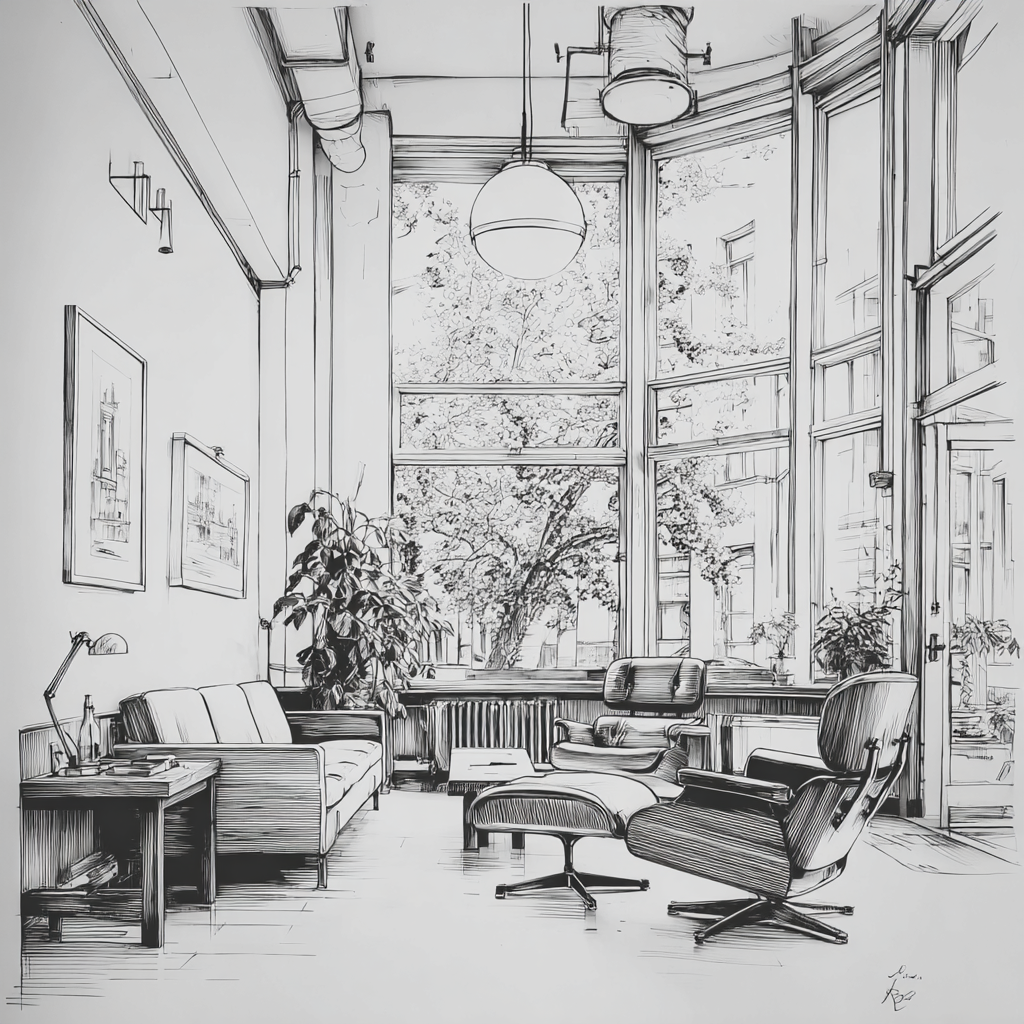


HOW TO APPLY THIS STYLE TO THE MODERN HOME
Start with Function, Not Style
Before choosing finishes or furniture, define how each space is used.
Ask:
What activities happen here?
What furniture is essential?
How should people move through the space?
Application:
Clear circulation paths
Furniture sized to the room and its purpose
If an element doesn’t serve a function, reconsider it.